Palm Tungsten C: with the heat - with the heat!

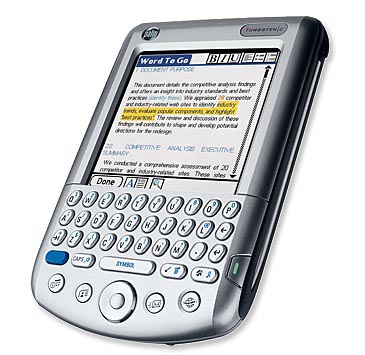
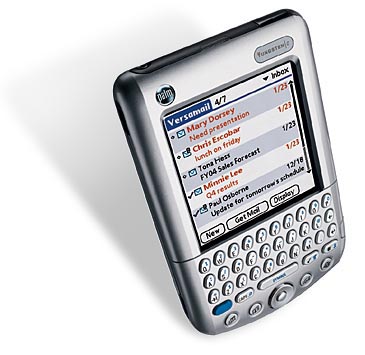
Palm Tungsten C - a new top model of the world PDA lead. This handheld was introduced formally only for today, while rumors of his leaving excited the public for about two months. We are confident that you, our readers, at least we were waiting for the release of this in some sense a fatal machines, which either strengthen or complicate the position in the market of Palm handheld computers. Naturally the novelty has not yet reached Moscow, but before it appeared all the necessary information and fresh experience of our foreign colleagues - Options American site Brighthand.com. Therefore we will not have more than simmer and proceed to the very "sweet":)
Palm Tungsten C: with the heat - with the heat!
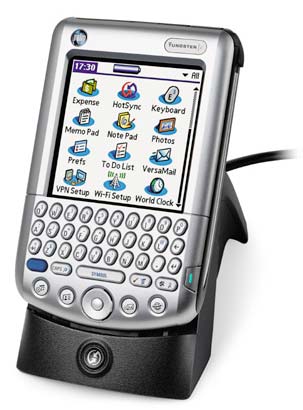
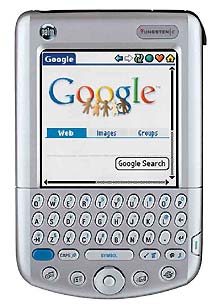
Features "Tungsten Palm" is not inferior to its competitors out of the camp Pocket PC. Judge: Heart Tungsten C - the latest in the line of Intel XScale processor with 400 MHz, 64 MB memory, built-in wireless Wi-Fi, color screen and, most importantly, what exactly can not boast of competing machines - Built-in mini-keyboard.

Iron

Not so long ago we speculated on the appearance of 64 Mbaytnoy memory in the PDA for Palm OS. Frankly, it was impossible to imagine that this will happen sooner than will the sixth version of the OSes. However, Palm flick of the wrist, like a magician, took the rabbit from the hat, has released a PDA with 64 MB of RAM (not without help from PalmSource). Notorious barrier to 16 megabytes left in the past. However, what a barrel of honey without the fly in the ointment ... The fact that the user is not available all the 64 MB, and only 51 the rest is reserved for the needs of the system. Well, it is still a magnificent gift unpretentious Palmer:)
Palm Tungsten C: with the heat - with the heat!
Another strong move - the use of the new processor line from Intel - XScale. Tungsten C equipped with the most famous 400 megahertz PXA255. While perhaps palmovoy typewriter so fast the processor is not needed. The same recent Sony TG50 with a 200-MHz XScale, processor speed enough to excess. Machine simply "bullet" in contrast to the Pocket PC-PDA with a similar processor. Tungsten C also works more quickly, if at all possible:) However, the tester with Brighthand.com failed to drive the handheld to complete the program, but as an example of the speed he brings to work with images: "When I tried to open a large JPG-image ( because when the processor is loaded tightly enough), we could not find any file that is not open to just a fraction of a second. " However, the powerful "stone" gives something more than a good margin of safety. This processor is psychologically more attractive to the user, including for corporate, in which Palm expects especially. Developers positioning your car as a hi-end solution for mobile professionals, so do everything to persuade the employees of companies who choose PDA on its side. Those in fact make decisions based on the specifications of handhelds and also, as all are under "hypnosis, megahertz and megabytes. If the list contains two devices: one with a processor speed of 200 MHz and the other - 400, it is easy to guess which of them will fall choice. Therefore, 400 MHz Tungsten C will be equal to the price lists with competitors on the platform Pocket PC.

Constructive

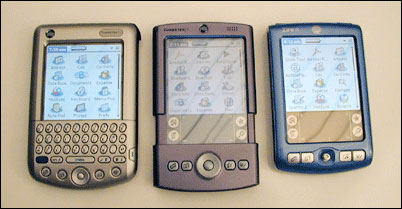
Dimensions Tungsten C - 78 x 122 mm. Only a few millimeters more than the Palm m 500. However, the stout machine - 16 mm. However, it is a pleasant fullness, as you will see below.
Palm Tungsten C: with the heat - with the heat!
Left to right: hero of the occasion, Palm Tungsten T and Zire 71 baby ...
Do you like metal casings? Yes? Have to disappoint you - the case for Tungsten C plastic. Why? For weight reduction. Handheld, and it happened not too light - 180 grams. However, most of that weight (and that's just fine!) Due to the presence of a more capacious battery (1500 mAh). While we can not say exactly how much Tungsten C will run on a single charge, as for checking the duration of his work have received a PDA for daily journalists simply did not have enough time: "I can only say that during that day I enjoyed a few hours the wireless connection and still did not have time to put the battery completely. "Feedback HPC.ru: Case Palm Tungsten W, which in many respects similar to the novelty Palm Tungsten C, leaving a dual impression. Looks very good - good plastic, high-quality design, no fin, small and uniform gaps housing components. But if you take the machine in hand, housing starts unpleasant creaking. It is suspected that as the use of this effect is not lost. With regard to passage about the excess weight of the metal case, then this statement is unlikely to be wealthy. Plastic body will have to do bulk and weight of approximately level off. Another thing is that working with plastic is easier and cheaper, although Hi-End devices to it, in my opinion, not a place. And all who enjoyed the Palm V, Vx, TT and other PDAs "in metal" will understand what I mean. Possible, of course, that the body and vehicle models are decently than TW, and data calculations are unnecessary. Regarding the 1500 mAh battery should be noted that the characteristics of Palm Tungsten C can be compared with the top models of Pocket PC (except OSes:)). Therefore, a battery life can be judged similar magnitude. Likely in the sense of power will be very strong dependence of the WiFi. We turn to the screen. Screen for new items is excellent. He is far superior to displays that were equipped with the previous model. His secret is simple - transflective matrix (such as long as all of the machines palmovyh only Tungsten C and Zire 71). By lamplight, as you know, this screen is brilliant, and the street looks quite decent.
Palm Tungsten C: with the heat - with the heat!
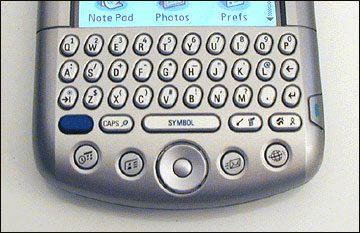
As for the built-in keyboard, here we can rely solely on the opinion of our tester, who liked it and on their own experience from working with these mini-models. Especially handy this keyboard is for people to write in the handheld in the air, on the run. Its tiny buttons are specially adapted for pressing his thumbs. However, specific keyboard has its own nice features. For example, if you hold the key, then the Tungsten automatically changes the letter of the title. Yes, in terms of ergonomics, reviews of the same browser, the keyboard "Tseshki" good: in any case, he has no problems in the recruitment of lengthy text messages. Opinion HPC.ru: Cards open, and we now know to What was needed transition from graffiti to the Graffiti 2 (ex-Jot). Palm simply wanted to get rid of graffiti! If Sony had decided this question sotfverno, expanding the screen to accommodate the panels of graffiti, the Palm did a more fundamental way. Now raspoznavalka works on the entire screen, both in style of old graffiti, and in the more advanced (a moot point!) Jot. By placing the keys on the place of the former panel, graffiti, Palm saved on envelopes, adding QUITE Complete and keyboard works. We had the opportunity to test it on the example of Palm Tungsten W, who visited in our hands. Tactile sensations when using the keyboard pleasant and something reminiscent of the keyboard Sharp Zaurus. Typing speed is approximately equal to the inexperienced user typing speed with Graffiti experienced employee HPCru:). Waiver of graffiti in the conventional sense - for more serious and risky step, the Palm had to be good marketing reasons for such changes.

Wi-Fi

In the Tungsten C is integrated module for exchanging data over wireless networks Wi-Fi (or 802.11b). It is true that we have in Russia, unlike America, yet not enough public spaces, equipped with the so-called hot spot internet access for stanadartu Wi-Fi. Although just today we reported on the news that "hot spots" appeared in the Moscow hotel Marriott. But the browser with Brighthand.com (schastlivchik!:) such a network of criss-crossing the entire house, and therefore he believes that if the PDA can connect to the Internet, it adds very useful to him, especially if he can do it without wires. You can read email, view web news and more, from your sofa. Lucky! Best of all, he says, that Palm badly worked on simplifying the process of using a wireless connection. When you open the application, it shows a list of detected mobile networks, you just select the desired from this list, and all you are already connected. Readily believe:) The speed of the built-in Tungsten C Wi-Fi adapter is quite sufficient, but the range of a little lacking. Here is what the tester at this point: "I was able to connect at a distance of about 12-15 meters from the access point. However, it was indoors and not outdoors. I would estimate the range of the connection as" slightly below average. "For comparison, I connected to Wi-Fi network with my Pocket PC using a separate card Symbol Wi-Fi, the combination is operated at greater distances than the Tungsten C. It may be a smaller radius of the Wi-Fi adapter Tungsten due to the fact that it has no external antenna. In any case, for the usual flat it should be enough. "

Applications

Tungsten C, in addition to standard applications, is equipped with a good set of software for the Internet. Its browser PalmSource Web Browser 2.0 is based on the well-known applications NetFront 3.0. Using it to browse the web can be almost as on a desktop PC. However, someone of such an approach is not very like, since it is necessary constantly to scroll the text vertically and horizontally. For example, our tester more impressed when the browser is a pocket typewriter able to rebuild the site content in a way that as closely as possible to place information on the small screen is. However, all these are questions of taste and preferences. One of the undoubted merits of this program - support JavaScript.
Palm Tungsten C: with the heat - with the heat!
For e-mail to Tungsten C installed VersaMail 2.5, which we have repeatedly told in our news. Product quality and popular.

To be continued ..

That is all first impressions, which it shares with us the browser site Brighthand.com. It is a pity that he failed to appreciate the new Palm Tungsten C in terms of multimedia, because its large computing capacity (after all, the new XScale 400MHz!) Gives reason to hope that the machine is really good show itself in terms of video and audio.
Palm Tungsten C: with the heat - with the heat!
Well, finally the price. When Palm announced the possibility Tungsten C, many believed that the machine will cost no less than 600 dollars. So that the developer pledged $ 500 were really pleasant surprise. At a price cheaper than a hundred new to the Pocket PC Toshiba e750, and the functional practically it is not inferior. It seems that the Tungsten C oust Pocket PC as in retail, so in the corporate sector. As far as delivery dates of the CPC program in Russia, it is still nothing about them is reported, as well as on price. Possible that the situation will become clear towards the end of this week, when Moscow on an official visit to the official representatives of the Palm in Europe. Make sure not to our news! The authors, translation:

Mobile panorama of the week. Issue 11 February - 15 February

The main event last week in the world of mobile communications has become the Mobile World Congress 2008 in Barcelona, ​​formerly known as 3GSM Congress. It started on Monday, February 11 and closes on Thursday, February 14. After last year's premiere Windows Mobile 6, which was held at the 3GSM World Congress, there was little doubt that at this time, Microsoft will provide another update mobile operating system - Windows Mobile 6.1. Nevertheless, for some reason premiere never took place. In that update will be shown soon enough doubt, however, does not have - access to a range of new products submitted by manufacturers of Windows Mobile devices has been limited, and some of the expected new products have not been declared.

XPERIA X1: brilliant debutant

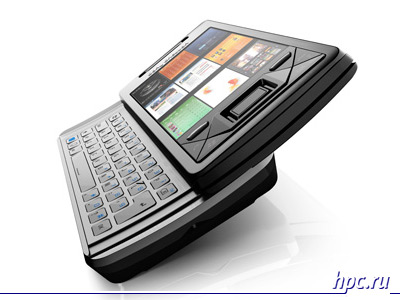
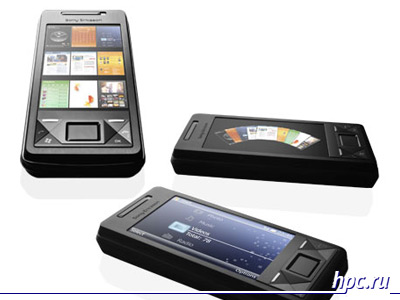
Star Windows Mobile Premier at Mobile World Congress 2008, you can safely assume debut from Sony Ericsson. Communicator XPERIA X1 - first attempt at writing the Swedish-Japanese alliance in the field of Windows Mobile. The device has attracted at first glance, technical specifications are also impressive. Here and a 3-inch WVGA-screen, and a sliding QWERTY-keyboard, and navigational AGPS-function, full set of communications capabilities and more. Design XPERIA X1 is unusual. In contrast to the traditional side-slider with QWERTY, here sliding mechanism is slightly rounded, as a result of the module with the display slightly lifted at an angle to the keyboard when opening. Dimensions communicator more than compact. In size, he is noticeably smaller PDA Toshiba with similar display size, it is even less than the HTC TyTN II, which display has a diagonal of 2.8 inches. The figures speak for themselves:
  • HTC TyTN II: 112x59x19 mm
  • Toshiba Portege G910: 117x64x20 mm
  • Toshiba Portege G900: 119x61x22 mm
  • Sony Ericsson XPERIA X1: 110h53h16, 7mm
Mobile panorama of the week. Issue 11 February - 15 February
Representing X1, Sony Ericsson is launching a new brand XPERIA. One of the main features of the model has an interface using the so-called panels XPERIA, which facilitate the management of your fingers without the stylus. A detailed description of the interface by the manufacturer is not given, also quite a few white spots in the specification, moreover, the reporters at the exhibition did not allow enough "play" with the new. All said that the Sony Ericsson XPERIA X1 is just one of the novelties, which no longer works with Windows Mobile 6, and based on the new Windows Mobile 6.1, and a blackout caused by the requirements of Microsoft in connection with the delayed announcement of the mobile operating system updates.
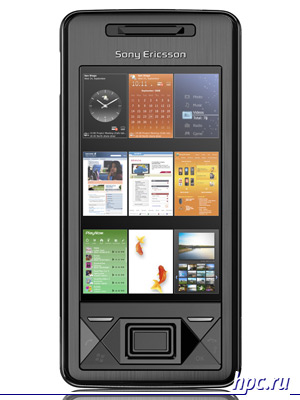
Mobile panorama of the week. Issue 11 February - 15 February
Sony Ericsson XPERIA X1 will be released in the second half of the year. Among direct competitors include communicators Toshiba Portege G910 and G900, which he immediately wins a minimum of compactness and the presence of finger-oriented interface. It remains to add only that the price for the novelty has not been disclosed, but Sony Ericsson is never shy with the cost of its top products.
Mobile panorama of the week. Issue 11 February - 15 February

HTC: modest premiere

HTC has introduced the Mobile World Congress 2008 is only one entirely new product - PDA HTC P3470. This model is the middle class and stars from the sky is not enough, it has some pluses and minuses. With some stretch device can be called a successor to last year's budget news - HTC P3400 (Gene).Compared with its predecessor have HTC P3470 doubling of internal memory (256 MB ROM and 128 MB RAM), added support for GPS-functionality, a slot for SD memory cards changed to microSD. Parameters such as standard 2.8-inch QVGA-display, TI OMAP 850 clocked at 200MHz and the lack of wireless support Wi-Fi networks remain unchanged. If the HTC P3400 can be easily ranked as the budget price range, the HTC P3470 is more on the middle class. Recommended price corresponds to the European market, it is 449 Euro, that is about 660 dollars U.S.. The main reason for price changes, apparently prompted appeared navigation functions. Traditionally, for HTC, will be used by navigation software TomTom. Issue in Europe to be held later this month. At that price for HTC P3470 will be a number of fairly strong competitors, including communicators glofiish from E-Ten, which though do not have the internal memory, but equipped with a processor and support Wi-Fi. How it can compete with them not on paper but in real conditions, tests show.
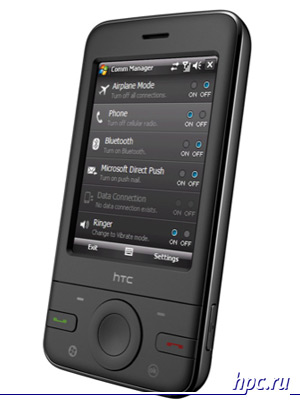
Mobile panorama of the week. Issue 11 February - 15 February
In addition to the HTC P3470, at Mobile World Congress 2008 was shown updated communicator HTC Advantage - HTC Advantage X7510. It is noteworthy that in a press release the company reported modest "future version" Windows Mobile, reports from the exhibition referred to more specifically - Windows Mobile 6.1. In contrast to the classical version of the HTC Advantage, to update the changes are not too many. The first is an increased amount of storage built from 8 to 16 GB. In this hard drive has been replaced with a flash drive that will affect in a positive way on a variety of indicators, including reliability, speed and power consumption. In addition, a re-designed keyboard, the package pre-installed software and proprietary interface VueFLO. We should also note the appearance of a new Advantage interface TouchFLO, based on the management of your fingers without the stylus. The rest is still the same in all respects an impressive communicator, both in size and technical characteristics.
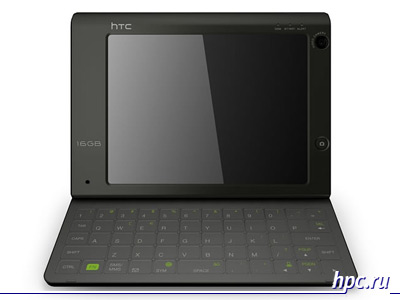
Mobile panorama of the week. Issue 11 February - 15 February

Toshiba: compact GPS

Very interesting novelty company presented Toshiba. In addition to the previously unannounced Portege G710 smartphone and communicator Portege G910, was first broadcast communicator Portege G810. The model has the original, although somewhat controversial, the design with touch keys. It is compact and thin, just a little more successful communicator HTC Touch, but much more functional novelty. For technical capabilities of its more comparable to HTC Touch Cruise, also supports third generation networks and Wi-Fi, Qualcomm processor with forensic 400 MHz, twice the amount of memory (256 MB ROM, 128 MB RAM), a 3-megapixel camera FM-radio and, of course, GPS-receiver with A-GPS.Deserve special mention communications capabilities - have Portege G810 is supported not only high-speed standard HSDPA, but paired him HSUPA, that while rare in mobile devices. In addition, the device is running an updated version of Windows Mobile under the number 6.1. Release device is expected in the second quarter if the company does not delay it and would not be rude to the prices, the Portege G810 can do it much better known among manufacturers of Windows Mobile devices. In Portege G810 will definitely find its fans.
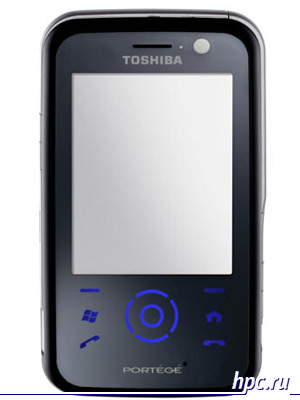
Mobile panorama of the week. Issue 11 February - 15 February

E-Ten: the expected sensation

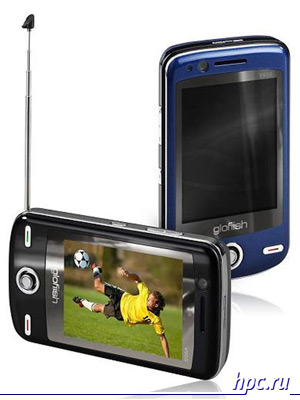
As expected, the February exhibition company E-Ten announced two new series Communicator glofiish - M810 and V900. Model glofiish M810 is a further development of the sliders with sliding side QWERTY-keyboard. This successor to the glofiish M800 with a new, more compact design. In appearance M800 and M810 are noticeably different, the company knowingly promised a "new, special design." The performance characteristics of the model is all still the same multi-function GPS-communicator with extensive communication capabilities, with one exception - the display resolution changed from VGA to QVGA. In Russia in connection with the actual lack of third-generation networks, instead of the M810 will be available glofiish M750 for GSM, which should positively affect the final cost. About the price of new items of precise information yet.
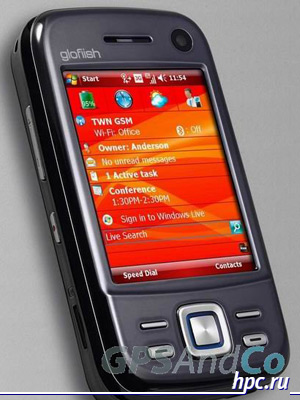
Mobile panorama of the week. Issue 11 February - 15 February
glofiish V900 - a fundamentally new to the E-Ten products. In addition to the GPS-module of the traditional series glofiish, here there was a receiver of digital broadcasting standard DVB-H, DVB-T, T-DMB and DAB. New "stuffing" adds a new modern design with a screen "without upstands and oriented interface to control the fingers. The top model in the whole, the communicator is based on the new processor is Samsung, equipped udovoennym amount of RAM memory (128 MB). The price is also not yet established, and the issue is expected to close by midyear.
Mobile panorama of the week. Issue 11 February - 15 February

Gigabyte: a parade of new products

Gigabyte Communications Company showed multiple communicators. If the model GSmart MS800 and GSmart MW700 were announced quite a bit in advance and in detail the characteristics, then on some models, the company said the first time. As mentioned earlier GSmart MS800 and GSmart MW700 - is an extension of GPS-direction in the portfolio Gigabyte. Thin and compact models, among themselves, they differ mainly in communications capabilities. GSmart MW700 works in networks GSM / GPRS / EDGE, and GSmart MS800 additionally supports UMTS / HSDPA.Unlike its predecessor, GSmart i350, it uses a slightly larger display, but at a lower resolution - 2.8 inches diagonally with a resolution QVGA.
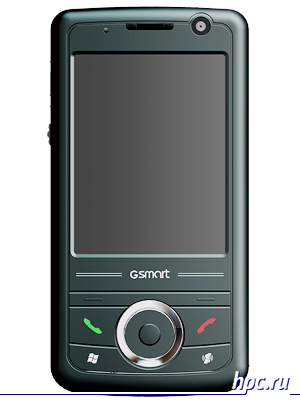
Mobile panorama of the week. Issue 11 February - 15 February
Gigabyte GSmart MS800
Mobile panorama of the week. Issue 11 February - 15 February
Gigabyte GSmart MW700
GSmart MS820 - this is another GPS-new product from Gigabyte. The main highlight was the motion sensor MS820 involved in a "user friendly" interface, in simple terms it is possible to control the communicator, moving it in space. In the remaining specifications MS820 significantly intersects with GSmart MS800, including supports networks WCDMA / HSDPA.
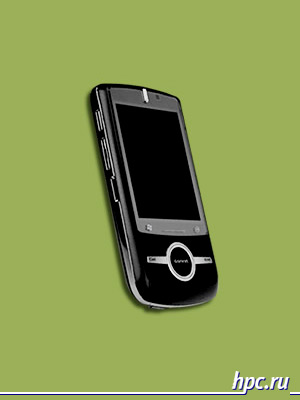
Mobile panorama of the week. Issue 11 February - 15 February
Gigabyte GSmart MS820
GSmart MS808 still a worthy cause communicators Gigabyte with an emphasis on watching television. However, this matter is not limited to, the functionality of the model if not a record, or at least aspiring to this title. In one case Gigabyte has managed to combine the support of cellular networks, 3,5 G, mobile TV formats, DVB-T, DVB-H, T-DMB, ISDB-T, and integrated GPS-receiver. This is complemented by 2.8-inch display in a diagonal with a resolution VGA, Marvell PXA310 processor clocked at 624 MHz, built-in memory to 128 MB of RAM and 256 MB ROM, and a 3-megapixel camera with autofocus. Probably worth all this splendor will not be enough.
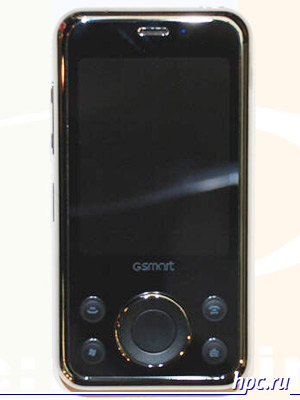
Mobile panorama of the week. Issue 11 February - 15 February
Gigabyte GSmart MS808
Communicators GSmart MS804 and GSmart MW998 is positioned as multimedia. GSmart MW998 is made in the classic form-factor, is equipped with 2.6-inch display with a resolution of VGA. By design it is virtually indistinguishable from new items last year, GSmart t600. However, unlike the GSmart t600, a new device does not support mobile TV. This then is their main difference, for other technical characteristics are practically twins.
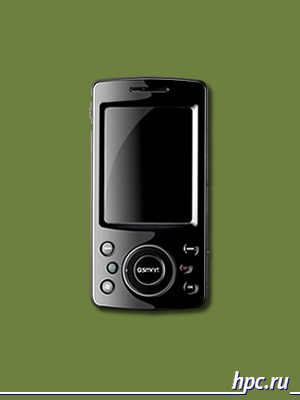
Mobile panorama of the week. Issue 11 February - 15 February
Gigabyte GSmart MW998
GSmart MS804 has a bright personality. The original device has a sliding form factor. Unlike conventional sliders are shifted module with display up, not down the keyboard module. In the autumn of last year about this model already zips information, then this GSmart has been certified by the Federal Communications Commission (FCC) has called O2 XDA Denim. Form factor - the main feature GSmart MS804, otherwise it's just pretty productive communicator with 3,5 G and Wi-Fi, a processor with a clock frequency of 520 Hz, 256 MB ROM and a QVGA screen diagonal of 2.6 inches.
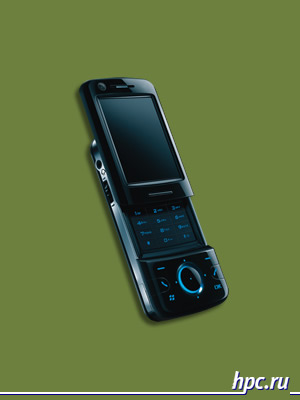
Mobile panorama of the week. Issue 11 February - 15 February
Gigabyte GSmart MS804

Samsung: modest and immodest Windows Mobile Symbian

Among Windows Mobile devices, Samsung has made quite modest. The only present the premiere of Samsung devices in this segment has become a smartphone SGH-i200. This is a very simple-looking device with a classic design, and a numeric keypad, but rather broad communications capabilities. By and large this is a model for those users who want just a phone, but "smart." On the background of these are not expressive parameters such as 2,3-inch display with QVGA resolution and a 2-megapixel CMOS-camera, there is support networks GSM / EDGE and UMTS / HSDPA, as well as interfaces Bluetooth 2.0 + EDR and USB 2.0. The work done by Windows Mobile 6 Standard. The smartphone should appear on sale in the spring on a very small price, approximately - about $ 200.
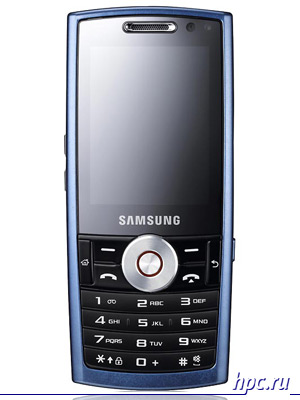
Mobile panorama of the week. Issue 11 February - 15 February
Samsung SGH-i200
Where Samsung has not acted modestly, so it's in Symbian. Among the models that have been displayed previously, was released photos of a flagship Samsung G810. Smartphone platform S60 3rd Edition Feature Pack 1 is an advanced camera phone. 5-megapixel CMOS-camera equipped with optics with 3 x optical zoom and Xenon flash. Supports autofocus, face detection, a built-in editor. In fact, the camera is inherited from the recent news Samsung G800, which is just a phone, not a smartphone, with more narrowly focused specialization, without extended beyond photography functionality. Samsung G810 is not limited to just an impressive camera. Unlike Samsung G800, a smartphone supports not only GSM networks GSM / EDGE and UMTS / HSDPA, and wireless Wi-Fi. Additionally, there are functions of GPS-navigation. For greater convenience of future users is integration with Web-search services like Google, Google Map, Gmail. As the functionality is a serious competitor to the smartphone Nokia N95, released last year.
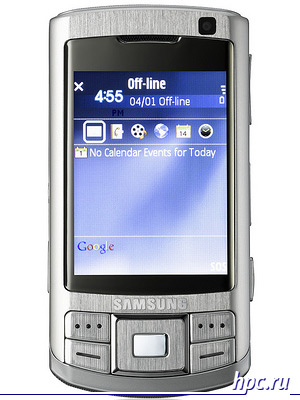
Mobile panorama of the week. Issue 11 February - 15 February
Samsung G810
Mobile panorama of the week. Issue 11 February - 15 February
Samsung G810

Nokia: navigation, not only

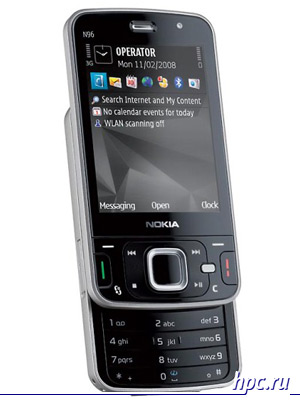
Unfortunately for Samsung, Nokia does not become easily rest on their laurels after the release of Nokia N95. By the Mobile World Congress 2008, it prepared a new "bomb". When looking at the specification of Nokia N96 is clear that the smartphone is designed on the principle of "everything and more. GPS-functionality combined with 5-megapixel camera, FM-radio, extensive communications capabilities and support for mobile TV standard in DVB-H. Apparently, that's for sure no one doubts "who is in charge", the smartphone is not only equipped with 16 GB of internal flash memory, but also, in case they will be filled in completely, gives you an opportunity to use the cards microSD. Frightening to think just a few years ago in a stationary computer, the height of happiness was a hard drive with 1 GB ... Interestingly, the Nokia N96 is going to sell complete with built-in DVB-H module, only in some countries, users of this smartphone is without a built-in DVB-H receiver will have to seriously smash his head, before to be able to fill all the available free memory unit. Recommended price for Nokia N96 is set the same as in its time for Nokia N95 - 550 euro, of course, excluding taxes and discounts. This monster must be on sale only in the third quarter.
Mobile panorama of the week. Issue 11 February - 15 February
Nokia N96
Mobile panorama of the week. Issue 11 February - 15 February
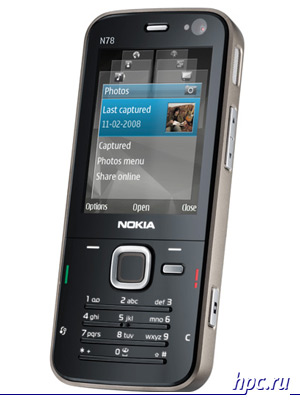
In addition to the new leader? Nokia has revealed three more smartphone easier. Nokia N78 with the best traditions of the series N7h - a simple design, good functionality, without fanaticism. 3.2-megapixel CMOS-camera with autofocus and Carl Zeiss lens is complemented by a GPS-module, FM-radio with FM-transmitter, support for Wi-Fi and all service Ovi. Smartphone Nokia 6210 Navigator, Nokia 6220 classic does not support Wi-Fi, but also have navigation capabilities. As a raisin Nokia 6210 Navigator supports an electronic compass, and the Nokia 6220 classic - 5-megapixel camera with geotag, and speech coding system for a comfortable communicating in noisy environments.
Mobile panorama of the week. Issue 11 February - 15 February
Nokia N78
Mobile panorama of the week. Issue 11 February - 15 February
Nokia 6210
Mobile panorama of the week. Issue 11 February - 15 February
Nokia 6220

Sony Ericsson: UIQ People

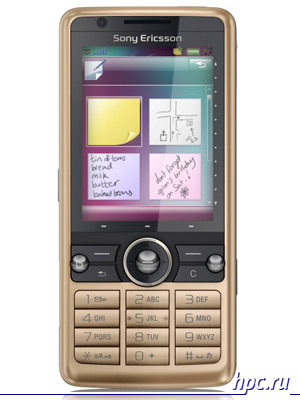
Representing a fundamentally new XPERIA X1, Sony Ericsson has not forgotten about the platform and UIQ. P-series smartphones while continuing not received it, but introduced a new series, consisting so far of the two models - Sony Ericsson G700 and G900. Apparently, the G-series will develop low-cost solutions for everyday needs. In low-end model has a 3.2 megapixel camera on is not supported by work in wireless Wi-Fi networks and the emphasis is on simple and convenient work with calendar, contacts, scheduler and so on. At the highest 5 Mp camera with autofocus, supports Wi-Fi, finger-oriented interface, a bit reminiscent of XPERIA, focuses more on working with photo albums and other multimedia functions.
Issue of February 11 - February 15 "width =" 300 "height =" 400 "/>
Sony Ericsson G900
Mobile panorama of the week. Issue 11 February - 15 February
Sony Ericsson G900
Both smartphones are capable of working in third generation networks, unlike the P-series smartphones fairly compact and light. According to their model parameters give the impression of "friendly to the people" version of the Sony Ericsson W960, without the emphasis on music features. They should be on sale during the second quarter. The price will be about 260 euros for Sony Ericsson G700 and 320 euros for Sony Ericsson G900.
Mobile panorama of the week. Issue 11 February - 15 February
Sony Ericsson G700

Android in the prototype

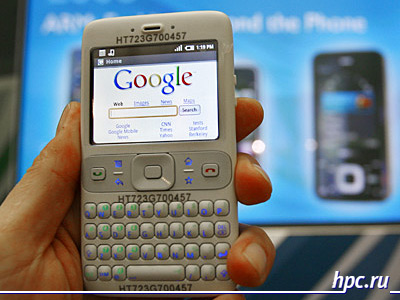
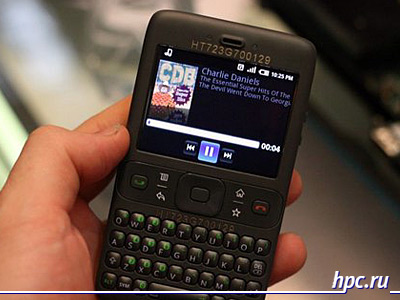
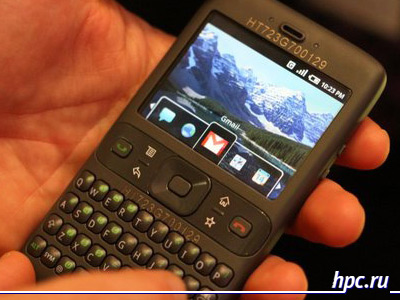
Quite a lot of attention at the exhibition attracted a prototype device running on a platform Android. Company Texas Instruments introduced a platform for future Android-smartphone and prototypes based on it were shown by several companies. Similar smart phones will run on a processor Texas Instruments OMAP 850 CPU at 200 MHz, support networks GSM / GPRS / EDGE, Wi-Fi and Bluetooth. Of course, this is just one of the options a smartphone based on Android. Prototypes in the form of a monoblock with QWERTY-keyboard work demonstrated several applications, including Google Media Player and Google Maps. They did not provide full functionality, but before the first commercial Android devices is still quite far away. Launch the first Android-smartphone is expected in the second half of this year. Among the manufacturers that plan to produce smartphones on the new OS, there are such well known brands like HTC, LG, Motorola, Samsung.
Mobile panorama of the week. Issue 11 February - 15 February
The authors, translation:
Palm Zire 71: the most powerful middle-class

Complete upgrade of the model range of Palm, happened in the past six months, completed the release of the mainstream news Zire 71, which has many impressive qualities. Our colleagues from the site Brighthand.com were among the first users, to evaluate the pros and cons of fresh models. Bring to your attention to look at the functional and exterior Zire 71.
Palm Zire 71: the most powerful middle-class
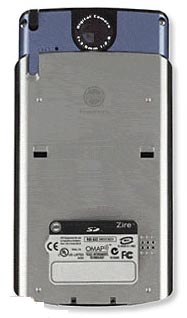
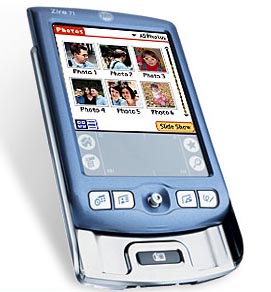
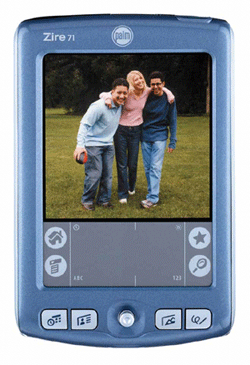
By design Zire 71 handheld is a bit like the original entry-level Zire, and the fundamental differences can be found only in a color scheme of the case. If "easy» Zire is made of white plastic artless, then the 71-th differ-coloring - dark blue with silver - and the lower part is made of silvery metal. Apparently, the purpose of this design - to protect from damage your digital camera, hiding behind a metal lid.
Palm Zire 71: the most powerful middle-class
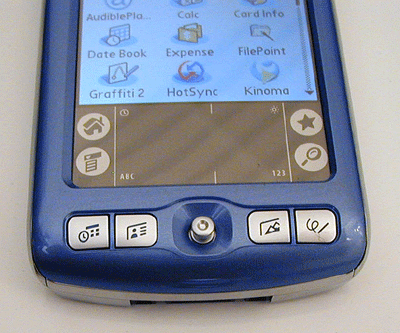
On the front side of the device is placed a large display, unfortunately, "cut" area for handwriting Graffiti. Given that soft Graffiti 2 (Recognition Systems Jot), which is equipped with this PDA, you can write anywhere on the screen, the logic of this design is not entirely clear.
Palm Zire 71: the most powerful middle-class
Below the display are four "hardware" button, the default is responsible for running the most frequently used programs (calendar, address book, view photos, and notes). In the center is five-way joystick, touch on that at any time to display a larger font date and time, and holding the analog stick pressed, we turn to the "home screen" to run any installed application.
Palm Zire 71: the most powerful middle-class
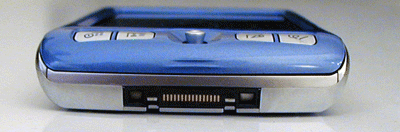
Considering the device "in profile" can not but notice that Palm continues to avoid installing any buttons, connectors, or wheels for scrolling on the side walls of the CCP. Even at the lower end of the PDA, we find only entrance Universal Connector.
Palm Zire 71: the most powerful middle-class
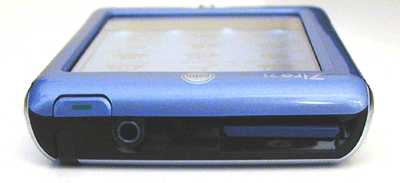
But at the top of the whole "pandemonium" - slot Secure Digital, infrared port, headphone jack, stylus, and the power button. Dimensions Zire 71 - 114 x 74 x 17 mm and weighs 150 g. In these settings, it is quite suitable for carrying in your pocket. Some shortcomings in the design Zire 71 can be called that, by the typewriter fit only a few cheholchiki and cases. Established "odezhka" This model has a rather awkward: it will not be able to remove with one hand. A popular case-flips with the Zire 71, it seems, can not be used. And yet, housing design deserves evaluation "excellent".

What he does

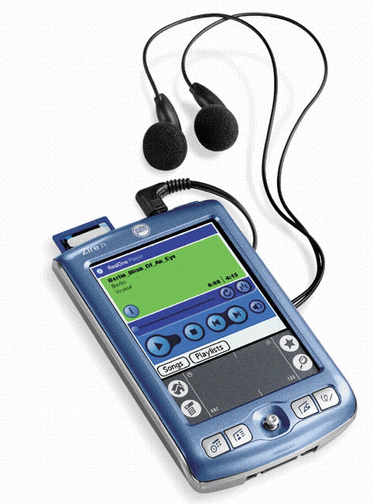
Until recently palmovoe family could not boast a variety of fashionable technical twists, like a Pocket PC, has long been flaunting wireless modules, excellent color displays, fast processors and huge amounts of memory.Now, through the efforts of the producer situation is completely changed: the Zire 71 has everything to compete on a par with any other handhelds medium price range. Hardware: Advanced Operating System Palm OS 5 is not brought too many new things. The user interface of large changes have occurred, except that the screen fonts and icons have become clearer. But for "iron" part of the progress is very significant: 33 - and 66-megahertz Motorola Dragonball processors are disappearing, giving way to "rock» Texas Instruments OMAP, clocked at 144 MHz. It is a pity that part of the memory of such a breakthrough has not occurred, and Zire 71, like its predecessor comes to ridiculous standards Pocket PC module of RAM - only 16 megabytes, of which 13 MB user available (greater volume of palmovyh has only a top-model Tungsten C) . Still, for "large" flash cards dramatic decrease in the functional "close" RAM does not cause. Multimedia importantly, what is new palmovaya really corresponds to the current level - is the ability to work with audio and video data. If the Tungsten T was ready to play music technically, but did not have the appropriate software, the Zire 71 fully meet the expectations of fans. The model comes with the player RealOne, which provides a truly professional sounding music, either through headphones or when connected to an external powered speakers. Plays MP3 and RealAudio files pleased with the rich palette of sound and purity of sound.
Palm Zire 71: the most powerful middle-class
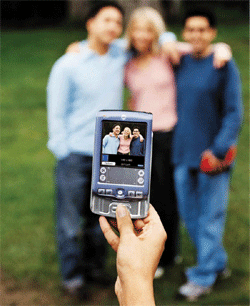
For working with video Zire 71 meets Kinoma Player 1.5.1 and its desktop-addition Kinoma Producer. Run the benchmark with a trailer for the movie Men In Black II showed the exorbitant rate of processing of video - 162 frames per second. Although in fairness, we note that the visual playback of this movie-was not entirely smooth (this, of course, may be due to shortcomings of the file). Luggage main part of the list of exceptional "fichey" this device - of course, a digital camera. Despite the quite standard for "integrated" camera settings - 640 x 480 pixel, VGA-quality graphics and auto exposure - crisp shots pretty decent.
Palm Zire 71: the most powerful middle-class
The camera automatically turns on when the user moves the rear panel. Button at the bottom of the sliding panel is a "trigger" the camera. And the touch of a button and immediately called an application that controls the camera and the screen begins to work in the viewfinder. Photo program lets you change the resolution of images, store them in RAM or on a flash card and send to the desktop. The LCD matrix, which is equipped with the Zire 71 has all the necessary characteristics to work with graphics in photo quality: the resolution of 320 x 320, 16-bit color (65,536 colors). Since the display is transflective, it behaves a little worse when working outdoors in bright sunlight, but indoors it has not quibble - the owners of Tungsten T with a reflective matrix can only dream. Communication great disadvantage news is that at the moment it does not work with Palm Bluetooth Card, and hence will not be able to use this computer for mobile internet access in conjunction with Bluetooth / GPRS-phone (for example, Sony Ericsson T68i). More precisely, we certainly have the opportunity to connect the PDA with a mobile phone via infrared or cable, but these tandems is rather inconvenient for our "Wireless Age" will not do.Periphery to the SD / MMC slot of the PDA can be connected to the corresponding flash cards and additional equipment (equipment for presentations, external digital cameras, etc.). Also to interact with peripherals can be used connector Universal Connector. Meals: Ability of prolonged battery life remains the most important advantage of PC Palm. Fortunately, the transition to more powerful TI OMAP processors do not impact on the economy of the PDA. Charge lithium-ion battery will last device on the week's work in normal mode or 5 hours of continuous music playback MP3. Minus the Zire 71 to supply parts is just that the battery on this model can not be replaced, that is, take a trip several charged power sources fail. System software: First, by using the operating system Palm OS 5.2.1 in the PDA can change the visualization interface using the "Desktop Themes". Secondly, the system of handwriting Graffiti 2 allows you to write by hand, not only in a special area, but across the screen. In addition, you can make "electronic ink" for a few moments lingered on the screen before you turn into typed text. This greatly facilitates the entry. Among other programs - well-known standard palmovye applications: synchronizer Quick Install, e-mail client VersaMail 2.5 and some others. Surprises only the absence of the office suite Documents To Go, which appear to now be the exclusive membership of computers Tungsten, aimed at corporate users.

On cups weights

When quite "reasonable" price of $ 299 (U.S.) Zire 71 is very functional, qualitative and miniature devices. With his digital camera that is hidden behind a sliding panel novelty turns into a great tool, "Digitization of reality." But with a software player RealOne, the computer becomes a powerful portable audio system. And despite the abundance of technological "bells and whistles, this PDA is not moving away from traditional brand Palm priorities: a truly" pocket "size, simple interface and ability for long battery life.
Palm Zire 71: the most powerful middle-class
The only (but controversial) minus the Zire 71, of course, is the lack of wireless capabilities and that the model does not support external card Palm Bluetooth SD. With the latter, however, have to put up all the owners of devices based on Palm OS 5 OSes. But even so, Zire 71 with more than enough "fichey" to dispel the stereotype that palmovye handhelds are among the technologically lagging relative to competitors on a platform Pocket PC. And finally, the timing of the appearance of new items on the Russian market. First Palm Zire 71 will come to Moscow in mid-May, so get ready for the meeting:) However, a personal impression, which immediately share with you, to work with cars, we hope in the near future. Follow our news! The authors, translation:
CES 2008: Mobile trends of the new year
Barely managed to finish in Russia to celebrate New Year and begin the orderly celebration of Orthodox Christmas as kicked off the first major exhibition of IT-2008. Completion of CES 2008 coincided with the first working day, making some confusion in the news columns. Now that the show has died down, you can easily make out the material and discuss the sensation. Traditionally, CES is devoted to consumer electronics as a whole and not to fixate solely on mobile topics. Nevertheless, the most impatient manufacturers of mobile devices of varying degrees "umnosti" were not put off their latest in a long box to the profile February Mobile World Congress, reasonably believing that at CES for their development are much more likely not to be lost.

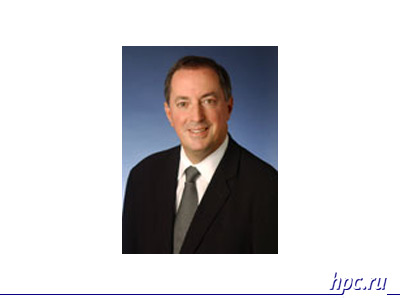
Bright digital future through the eyes of Paul Otellini

One of the highlights of the exhibition along with the swan song of Microsoft founder Bill Gates has become a sensational speech Intel CEO Paul Otellini. Despite the fact that at CES at the head of Intel was enough interesting topics for the introductory speech - at least, the debut of 16-a new family of Penryn - he dedicated it to the concept of mobile Internet - "Internet in your pocket." The basic idea boils down to being able to get any information at any time and anywhere in the world. For example, visiting Beijing, users from around the world will be able through special Web-services institutions to translate signs, menu items catering and even conversations with representatives of the local population. All of this visually or in sound - it does not matter. The main thing - at any time took a small device - and now, all the information the world is on your hands, no brakes, and procrastination.
CES 2008: Mobile trends of the new year
Towards achieving this ambitious goal Otellini identified four global challenges that lie ahead:
  • Mobile devices need to get a sufficiently powerful and yet economical microprocessors;
  • infrastructure of wireless broadband networks to be deployed widely enough to ensure universal broadband access to the Internet;
  • Internet should acquire a more intelligent search facilities that result does not depend on the case;
  • user interfaces must become more comfortable and natural using voice and gestures.
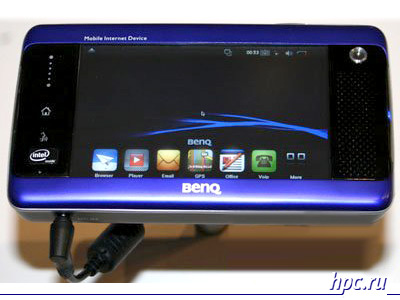
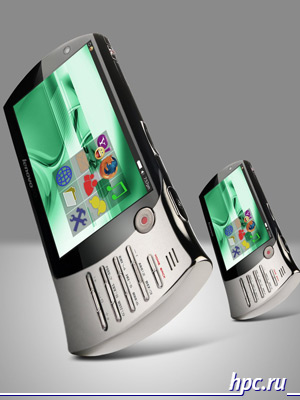
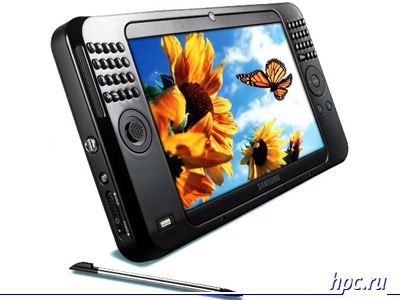
To achieve a brighter future, Otellini took the world by three to five years. At this stage of the IT-industry it does not seem unattainable slogans like "Communism and the 80 th year." In many ways last year, you may have noticed that mobile devices in their current understanding reached the ceiling of development and we are on the verge of breakthroughs that will radically change the world. According to Otellini, this will be the most radical change in the essence of consumer electronics since the invention of television. In addressing the first two problems Intel is actively involved, improving microprocessors and wireless connections. The last two issues are also not gone unnoticed Intel, but the primary responsibility for their decision still rests with the other giants - Google, Apple and many others. In support of the activity was presented to Intel chip Canmore - first product class SOC (system-on-a-chip, system on chip) for consumer electronics. According to the description Canmore combines processor core class personal computer, providing high-speed processing of audio-video supporting resolutions to 1080p and multichannel 7.1 audio, three-dimensional graphics accelerator to work with attractive user interfaces and online games, as well as technology support for broadcast television. He is scheduled for release in the second half of this year. In addition, during the first half of the year will begin delivery devices based on the platform Menlow. It includes a chipset codenamed Poulsbo and Silverthorne processor five times more compact in size and ten times more energy efficient than processors with ultra low power consumption for portable devices, presented by Intel in 2006.As a basis for universal broadband access Otellini agitating in support of the standard WiMAX, which is ready for widespread implementation. It is predicted that by the end of 2008 to be connected to WiMAX networks are already some 150 million users. The concept of MID (mobile internet device, mobile internet device) was first proposed by Intel yet, at the spring IDF in the past year, at the recent CES it was supported by more active and, most importantly, the compelling evidence in the form of working samples of devices. Not forgotten the idea of ​​ultra-mobile PCs - UMPC, the exhibition showed improved and new models in its class. Since there is a clear misunderstanding of the difference between the concepts, Intel recalled the major differences. UMPC - this device is a business-class, working with such "heavy" OS like Vista and optimized for use with office applications such as Excel and Word. MID - a consumer-grade device that works with lightweight operating system, providing quick start, such as Linux. MID is optimized for playback of multimedia content and Web-surfing. Planned for 2009 based devices Moorestown platform will be treated exactly the class of MID. Total has been demonstrated quite a bit of both classes of devices, have attracted the most attention are MID and UMPC: BenQ, and Lenovo introduced its first device-class MID. Device from BenQ has a 4.8-inch display, is based on Menlow and Wi-Fi support with HSDPA. Design does not possess an original, simple and easily recognizable in the Chinese style. MID from Lenovo also based on Menlow, and is equipped with 4.8-inch touch screen. On the technical parameters while virtually nothing is known, however, shows that the device will definitely attract attention. The reason for this interesting design with the original keyboard, located on the side.
CES 2008: Mobile trends of the new year
MID from BENQ
CES 2008: Mobile trends of the new year
MID from Lenovo
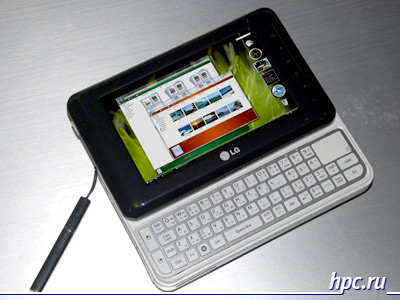
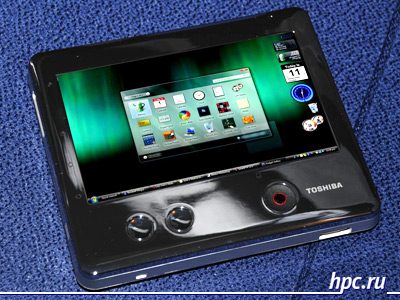
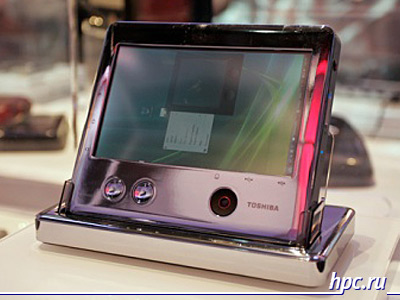
LG and Toshiba also made its debut with its first UMPC. LG UMPC is made in the familiar form factor of a horizontal slider with a sliding QWERTY-keyboard. The main highlight in the increased compactness - the display device has a diagonal of 4.8 inches and weight is placed in 590 grams. Toshiba model is still at the concept stage, but is in itself interest both in terms of both design and in features. Navigation buttons are made under the 5.6-inch display, the solution is quite controversial and unusual. For large screen size than the LG UMPC, Toshiba UMPC weighs considerably less - only 410 grams. Such a result is reached, probably mainly due to the lack of keyboard and the use of SSD-drives instead of Winchester. Both UMPC based on Menlow platform and running Windows Vista.
CES 2008: Mobile trends of the new year
LG UMPC
CES 2008: Mobile trends of the new year
Toshiba MID
CES 2008: Mobile trends of the new year
UMPC Toshiba
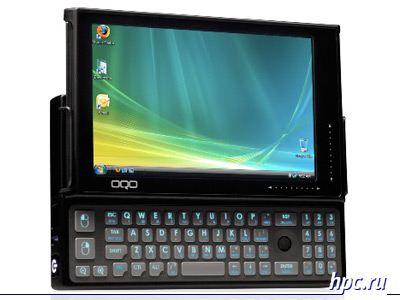
Also on display were presented new versions of already known models of ultra-mobile PCs. Q1 Ultra Premium Samsung's become much more productive with the new processor Intel Core Solo U1500 ULV, but it has not lost in such parameters as battery life, which can now reach 7.5 hours, almost twice longer than its predecessor. Model OQO O2 has got the option SSD-drive capacity of 64 GB and support for standard mobile WiMAX.
CES 2008: Mobile trends of the new year
Samsung Q1 Ultra Premium
CES 2008: Mobile trends of the new year
OQO O2
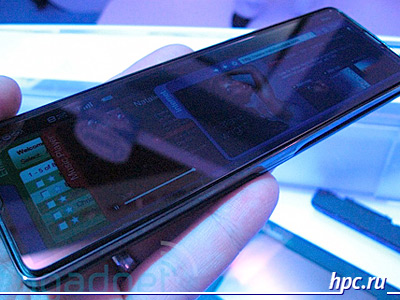
Journalists Engadget managed to get a prototype of the very "iPhone Clone from Intel" and made him a little photo shoot. Recall that this is a Class MID actually resembles a cult iPhone lack of control buttons and a display of the entire front portion. It is interesting that according to the author Engadget, the device is built on the platform Menlow, instead of Moorestown, as previously assumed. If this is true, then the device based on this prototype could be on sale earlier than expected, but there will be less attractive in terms of energy efficiency and other indicators.
CES 2008: Mobile trends of the new year
prototype Intel

Classics of the genre and new trends

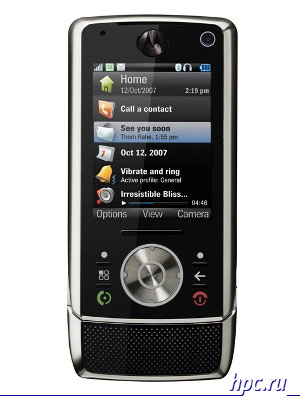
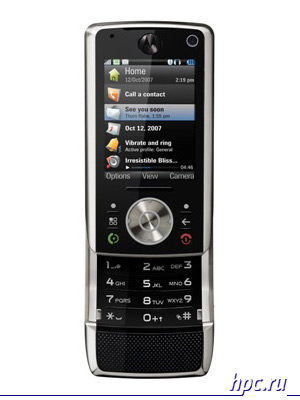
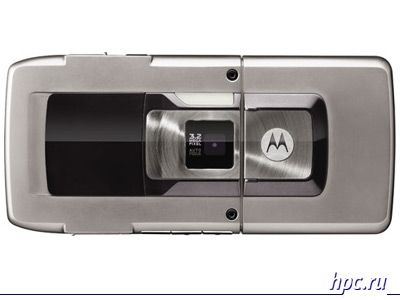
Among the classic smart phones, communicators and PDAs have also been shown many interesting things. Motorola has finally been formally introduced a smartphone index Z10, rumors of which wandered for several months. This was indeed the heir to "media monster" Motorola MOTORIZR Z8, which was released last year. New inherited a slider, curving to the shape of the cheeks during the opening, as well as one of the main features - the lack of touch screen despite the work of running Symbian UIQ. In the Motorola Z10 multimedia producer increased focus by improving its ability to shoot photos and video. First, the resolution of the camera is now 3.2 megapixel vs. 2 megapixel earlier, and secondly, the camera became a rate of fire. As a result, the novelty is positioned as a mobile studio. User Z10 can take up to 3 pictures per second at full resolution, and video - at a rate of 30 frames per second.For a complete sense of self as an experienced user video creator software installed, you can edit clips, create transitions between scenes, titles, images and even add a soundtrack. Given the emphasis on large amounts of "heavy" content in the smartphone incorporated support for memory cards with an eye to the future - micro-SD up to 32GB. While in the sale, and then for some diligence, you can find the 8GB micro-SD card. Motorola Z10 smartphone definitely hints to future users - removed a lot of stock and not worry about that stuff would not fit in memory. It is significant that Motorola did not try to catch up with the megapixel race participants, apparently realizing the hopelessness and futility venture at this time. The concept of a smartphone Z10 looks pretty exciting and it could help to ease the American manufacturer of the protracted crisis.
CES 2008: Mobile trends of the new year
Motorola Z10
CES 2008: Mobile trends of the new year
Motorola Z10
CES 2008: Mobile trends of the new year
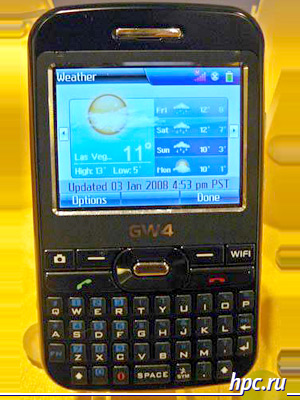
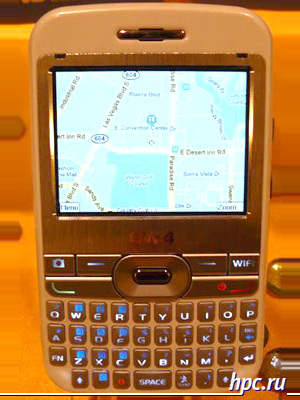
Not too well known to consumers a simple company Wistron, which specializes in ODM-contracts, could produce a sensation. But little did not have time, and the sensation was held until only the company said. Smartphone marking GW4 could be, but until he became the first true "guglofonov. Demonstrated at the show specimen was running far less romantic MontaVista Linux 2.6, and from this has lost the lion's share of charm, becoming just another piece with a QWERTY-keyboard oriented horizontally display and boring performance characteristics. If you believe the developers, then in March of this intermediate product would be a finished product running on a platform of Google Android. According to forecasts of most Google, the first device based on Android will appear in the second half of 2008, so that Wistron still have a chance to become a winner in the race. Under what brand of smart phone will go on sale is not yet known, she Wistron vague hints at the world-famous brands.
CES 2008: Mobile trends of the new year
Wistron GW4
CES 2008: Mobile trends of the new year
Wistron GW4
CES 2008: Mobile trends of the new year
Wistron GW4
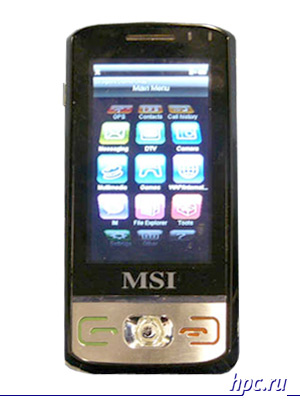
Another debut, this time to the present, was held for the operating system from the company Soleus Intrinsyc. The famous producer of computer components MSI introduced the first phone based on the OS. Model called the MSI 5608 is designed for GSM networks and supports the GPS-navigation.Zest phone is the new platform, the touch-based gestures, interface. As can be seen in the photo, the menu is arranged in a piktogrammok located wheel that can scroll with your finger. Recall that the Soleus platform was developed as an alternative to Windows Mobile and is built on the core Windows CE. The first installment MSI 5608 will soon appear on the Asian markets, and subsequently scheduled for release in Europe and America. It is worth noting that the manufacturer is considering the release of this smartphone with support for the WiMAX standard later this year.
CES 2008: Mobile trends of the new year
Phone MSI 5608 on OS Soleus
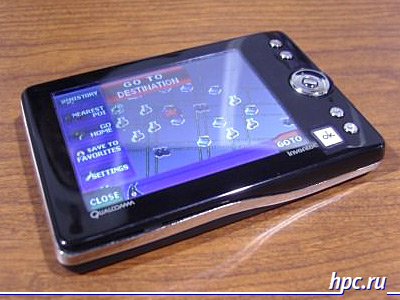
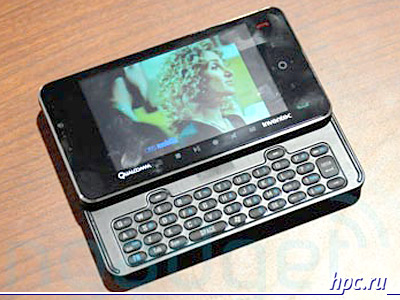
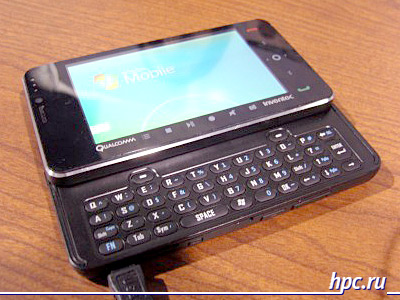
Manufacturer Qualcomm has decided to prove that the Snapdragon chipset actually exists in the real universe, showing prototypes Fairbanks and Anchorage. Model Fairbanks - it's just multi-media player with navigation capabilities, and Anchorage is a communicator with the QWERTY-keyboard. Demonstration sample Anchorage is powered by Windows Mobile 5.0, but it is not an indicator, since the mass production of devices Snapdragon is scheduled for late 2008 - early 2009, and by the time you may receive the new generation OS. Recall that in the Snapdragon part of the processor with 1 GHz, a cell module for third-generation networks, controllers, Bluetooth and Wi-Fi.
CES 2008: Mobile trends of the new year
Qualcomm Fairbanks
With these prototypes came out pretty complicated story, which was originally eyewitnesses described the exhibition as their models based on Snapdragon, it is obvious that they are remembered by the readers of news around the world that way. However, the closing day of CES resource Engadget has published the news under the headline: "This is no joke: Snapdragon-prototypes do not use the Qualcomm Snapdragon". As explained in the article, the editors asked the representatives of Qualcomm asking slightly adjust the original news. Supposedly prototypes represent "an example of opportunities to be enjoyed Snapdragon-device", but it uses a different chipset. It remains unclear how the current chipset can show the same features, which will advertised Snapdragon, but leave it on the conscience of PR-managers Qualcomm.
CES 2008: Mobile trends of the new year
Qualcomm Anchorage
CES 2008: Mobile trends of the new year
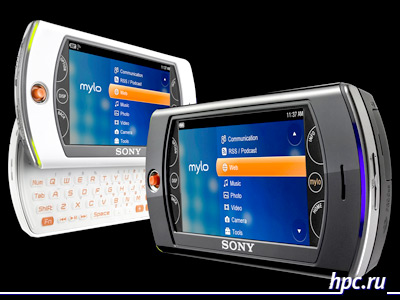
History of Internet Communicator Sony mylo will be continued. Over the past since the release of the first mylo concept of "My Life Online" has increased markedly, resulting in a toy for young people, loving communication via IM, began to turn into a multifunction device with good potential. The second-generation mylo has got a touch screen is much larger than before, the size and resolution. At 3.5-inch screen with a resolution of WVGA (800 x 480 pixels) can already be relatively comfortable viewing Internet sites, the difference is noticeable after the 2.4-inch QVGA-display. In addition, there was a built-in camera, support not only the 802.11 b, and 802.11 g, backlight on the keyboard, and plus the reduced price. At the time of the announcement of Sony mylo's recommended price was $ 350, while Sony mylo 2 - for 300 dollars.The company pretty well taken care of software and then work with widgets, email, RSS, client installed popular IM clients AOL, Yahoo!, Google and Skype, Web-Browser Netfront with Adobe Flash Lite 3, which is designed to work with Flash-oriented sites media player and other pleasures of life. From minus-one Sony mylo 2 can be noted preserved the lack of support the Bluetooth interface and the problems with the installation of third-party software.
CES 2008: Mobile trends of the new year
Sony mylo
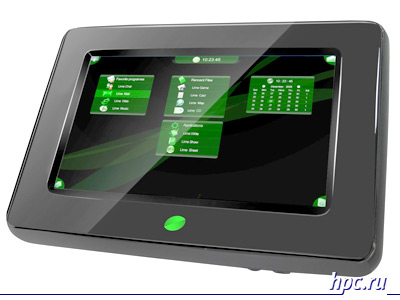
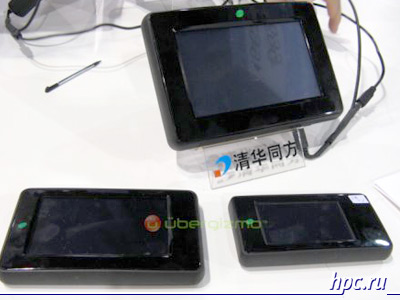
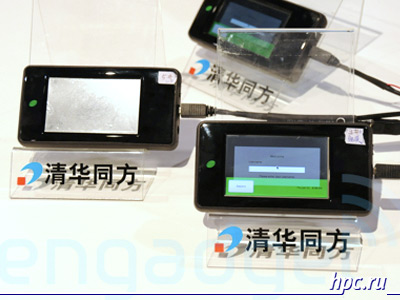
An unusual series of devices LimePC the Chinese Tsinghua Tongfang once again showed how illusory is gradually becoming a distinction between classes of "mobile computer" and "Pocket PC". The series includes three raznogabaritnyh device with almost identical features. All of them are built on the mobileGT from Freescale, supports Wi-Fi, Bluetooth 2.0 + EDR and equipped with a touchscreen. The main difference in size and used drives: the LimePC UMPC uses the hard drive from 30GB to 100GB capacity, while LimePC HandheldPC and LimePC PalmPC - 8 or 16GB of flash memory. LimeOS operating system based on Debian Linux. The smallest of the series - LimePC PalmPC - positioned as a very small device class desktop PC. The dimensions of the device are only 110x58x15, 9 mm, weight - 130 grams, which is comparable with most modern smartphones. As promised Tsinghua Tongfang, a sale of new items will arrive in mid-2008.
CES 2008: Mobile trends of the new year
The main impression from CES 2008 in terms of mobile innovations can be stated succinctly: "To be continued." We definitely see a lot of interest in a month at the Mobile World Congress. The authors, translation: